

Kia ora.
On a recent evening Zoom call, Matt Ealand looked flustered. When I asked Smokefree Rockquest’s general manager how he was doing, he sighed, then replied: “I’ll summarise it in one word: exhaustion.” He reeled off the things that had pushed him to this point, like record entry numbers and maxed out heats. Then he told me so many kids want to compete in this year’s Rockquest competition they’ve been forced to call off some events. In Napier, they couldn’t fit all the bands that wanted to compete onto a stage. “We didn’t have the space … we don’t have the funding … we need more resources,” Ealand told me. This sudden, rapid growth is testing the limits of his team. “Everybody involved is right at breaking point.”
Ahead of next week’s finale, Rockquest is reaching fever pitch. Around the country, kids are forming bands in the highest numbers the long-running youth music competition has recorded. “The last couple of years have gone off,” says Ealand. Last year, they had close to 900 acts wanting to participate. This year, it’s closing in on 1100. That means every regional heat has been fully booked. Sometimes there have been so many entrants they’ve been forced to cancel the live heats and ask bands to send in performance videos so the judges can rate those instead. “That’s not what we’re about but we don’t have space,” says Ealand. “We are very much at capacity. We can’t take on any more bands.”
Why is this happening? “Rock’s back, baby,” quips Ealand. It’s true. Teens suddenly want to thrash their guitars. “Kids are playing dirty old rock n roll again,” says Ealand. “It’s obviously that teenage angst coming through.” It’s that time-honoured tradition making a resurgence: kids start a band so they can cover their favourite songs, then they use those skills to make their own music. Smokefree Rockquest is the next step, and Ealand says many of the bands they’re seeing are on the heavier end of the spectrum. “We have seen a massive rise in metal,” he says. “I can’t believe how many kids talk about Alien Weaponry being key to what they do. There’s a lot of grunge, 90s vocal stuff, too. It’s definitely darker.”
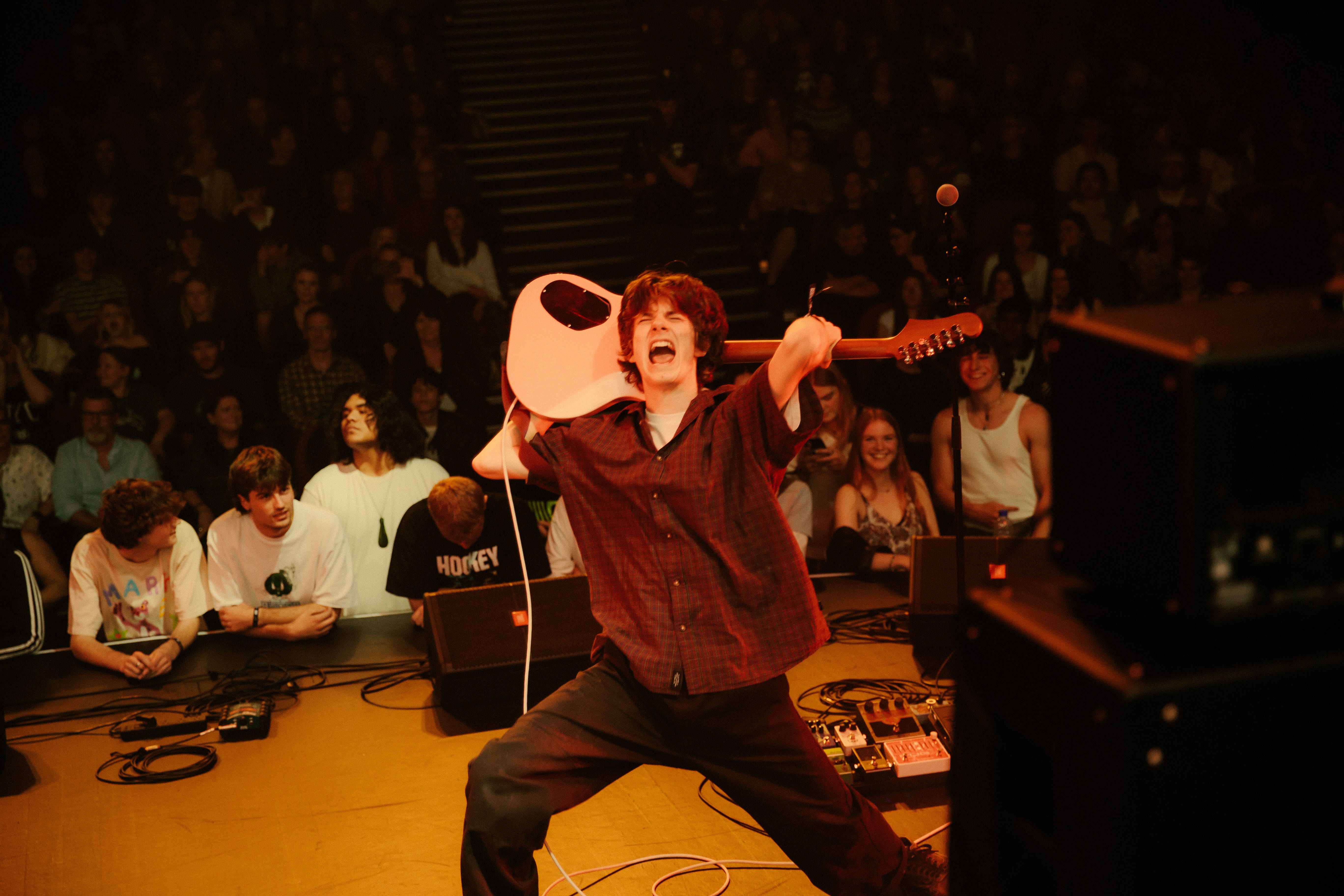
Here‘s another reason for the uptake: lockdowns. Covid caused kids to feel isolated and alone, says Ealand. Playing music in a band helps them feel connected again. “A lot of these kids are the ones who missed large chunks of days at school and didn’t have big friend groups constantly around them,” he says. Teachers tell Ealand numbers are up in music classes at school too. “This is their way of getting back into a community.” That’s meant a drop in the number of solo performers coming through Rockquest and a rise in the number of bands entering the competition. “We’ve seen a massive increase in bands,” says Ealand. “A lot more kids are picking up guitars.”
The songs are changing with the times. For next week’s Rockquest finale, eight acts will play two original tunes each. Those songs used to be about love, relationships and heartbreak. These days, Ealand says kids are getting political. The Treaty Principles Bill is on their minds, as is Te Pāti Māori MP Hana-Rawhiti Maipi-Clarke ripping it to pieces. “Kids are much more schooled up in political issues … far more than we used to be,” says Ealand. If you’re wondering how far some of these kids can go, you need look no further than the lengthy list of major Aotearoa musicians who have competed at Rockquest, including Bic Runga, Marlon Williams, Aldous Harding, Fazerdaze, Anika Moa and Die! Die! Die!
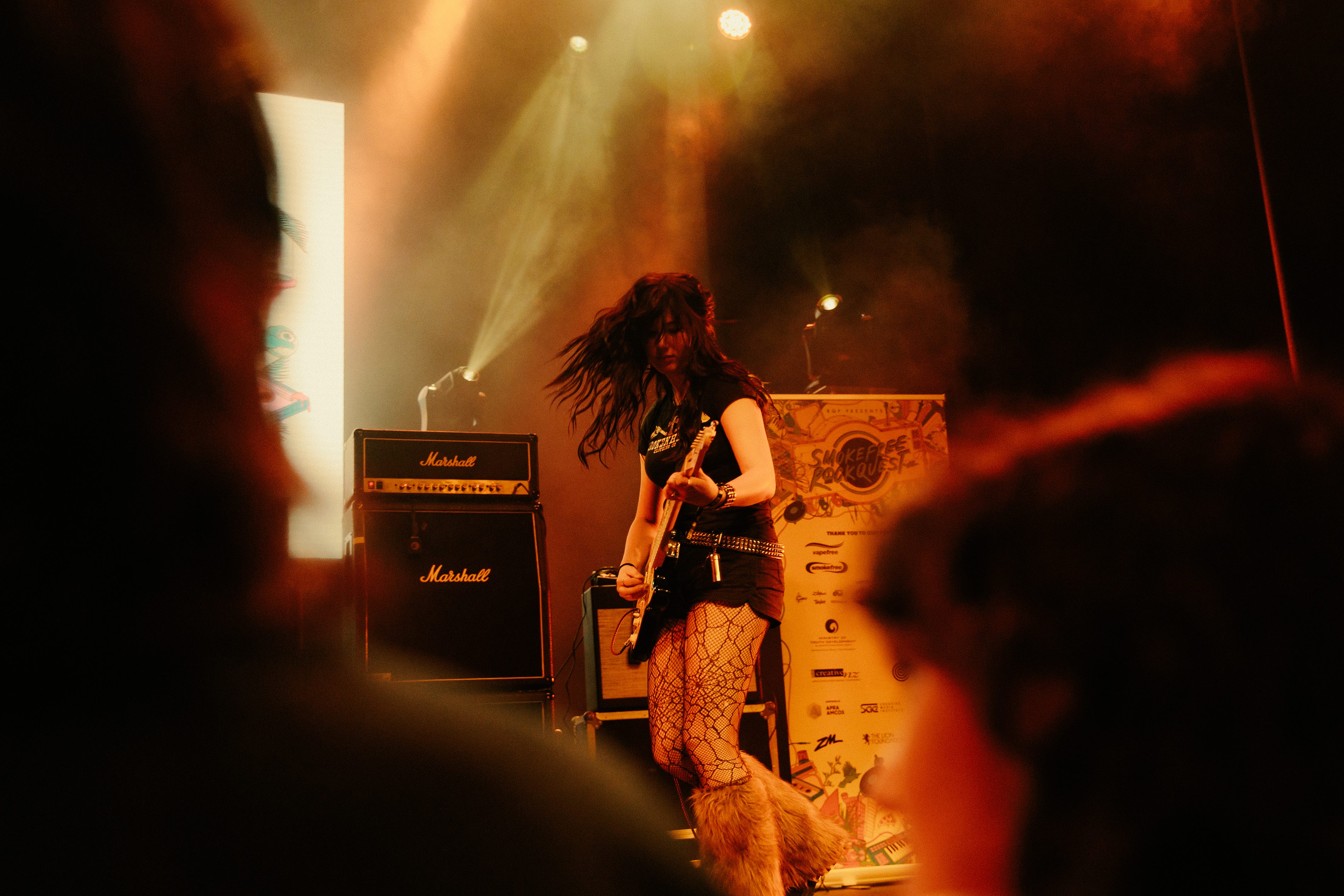
This year’s Rockquest winner will be announced at a live finale in Tāmaki Makaurau next Friday night. At ASB Waterfront Theatre, eight bands will thrash it out live on stage, playing two original songs each to an audience of family, friends, peers and the judges they’re trying to impress. After they’ve performed, those kids will drop their instruments and run around to the other side of the stage so they can cheer on everyone else who’s competing. “It’s a celebration. They support each other,” says Ealand. He believes many will go on to work together, and maybe make music with each other too. “It’s a freaking cool night. I’m optimistic we’ve got some future stars in there.”
Once he’s had a breather, Ealand needs to work out how Rockquest is going to cope if this insane level of growth continues. Basically, he needs more money. The competition’s income comes from the government and is topped up by sponsors, but “we’re $500,000 short,” says Ealand. It is, he says, time to be blunt. “More and more kids want to do this. The growth shows that. But we’ve exhausted all avenues.” He doesn’t want to put a limit on numbers and stop kids from performing. Rockquest is, he believes, a crucial part of the schooling infrastructure. But Ealand also can’t let what happened to his staff this year happen again. “We’re stretched so thin,” he says. “We cannot cope. It’s just ridiculous.”
Smokefreerockquest 2025 National Final, ASB Waterfront Theatre, September 12, tickets are here.

This is a newsletter for Aotearoa music lovers. It can’t exist without the support of my contributors. If you can afford to, please consider becoming one. The more that do, the more I can do. Stay safe, listen to lots of music and we’ll talk again soon … Chris.
Bonus beat.

This made me tear up! Seeing my son perform in a band is the absolute best. There must be some way we can raise money for rock quest? These kids are so awesome ❤️
That's really encouraging to hear real instruments are making a comeback! Hope they can sort out the money shortfall. Would reaching out to those that have benefited from it to put on an Alumni fundraiser gig work? I'd support it.